
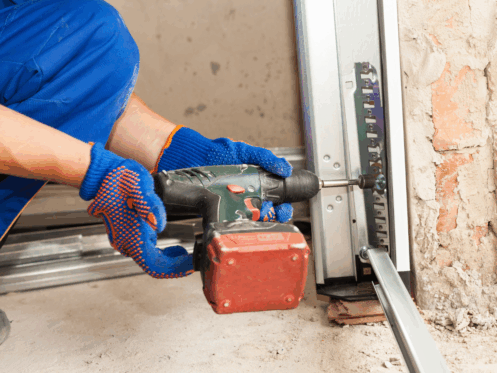
How often garage door maintenance is needed is a common question among homeowners and business owners who rely on garage doors every day. Garage doors are one of the most frequently used moving systems in any property, yet they are often overlooked until something stops working. When maintenance is delayed, small issues quietly turn into breakdowns that interrupt routines, affect safety, and lead to avoidable repairs.
Across the US, changing weather, daily use, and mechanical wear all place stress on garage doors. Springs stretch, rollers collect debris, and openers work harder than they should. Regular garage door maintenance helps prevent these problems and keeps the system operating smoothly. Understanding how often inspections and upkeep should happen allows property owners to stay ahead of issues instead of reacting to them.
Why Regular Garage Door Maintenance Matters
Regular garage door maintenance protects one of the largest moving components in a home or commercial building. Without routine attention, parts wear unevenly and safety features may stop working as intended.
Consistent maintenance helps with:
- Reducing unexpected garage door breakdowns
- Improving safety for vehicles and people
- Extending the lifespan of garage door parts
- Supporting smooth operation of automatic garage door systems
Both residential garage door maintenance and commercial garage door maintenance follow similar principles, though usage levels often differ. Doors used multiple times a day need closer monitoring to avoid premature failure.
How Often Should You Inspect Your Garage Door?
A general rule is to visually inspect your garage door once a month and schedule a more detailed inspection at least once a year. High use doors may require additional checks throughout the year.
Recommended inspection frequency includes:
- Monthly visual checks for obvious wear or damage
- Seasonal inspections during extreme weather changes
- Annual professional garage door inspection for full system evaluation
These inspections help identify early signs of issues with garage door springs, rollers, cables, and tracks before they affect performance.
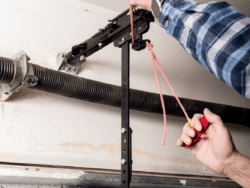
Monthly Garage Door Maintenance Checklist
Monthly garage door maintenance does not require advanced tools, but it does require consistency. A short checklist helps keep the system running properly.
Monthly tasks include:
- Observing door movement for uneven motion or jerking
- Listening for grinding or squeaking noises
- Checking rollers for debris buildup
- Inspecting garage door springs for visible wear
- Testing the automatic garage door safety reversal system
These quick checks support both garage door opener maintenance and overall system health.
Signs Your Garage Door Needs Attention Before Your Next Check-Up
Sometimes maintenance cannot wait until the next scheduled inspection. Certain signs indicate that immediate attention is needed.
Watch for:
- The door moving slower than usual
- Uneven gaps when the door is closed
- Loud noises during opening or closing
- The door stopping before fully opening or closing
- The opener struggling to lift the door
Ignoring these warning signs often leads to more serious garage door repair needs. Addressing them early keeps minor adjustments from becoming major problems.
Quick DIY Maintenance Tips You Can Do Yourself
Basic maintenance tasks can be handled by property owners when done safely. These steps help support professional service and keep the system in good condition between visits.
Simple DIY maintenance includes:
- Cleaning tracks to remove dirt and buildup
- Lightly lubricating garage door rollers and hinges
- Tightening loose hardware on brackets and tracks
- Keeping the area around the door clear
DIY care complements professional garage door maintenance service and helps reduce strain on moving parts.
When to Call a Professional Garage Door Technician
Certain maintenance tasks require professional training and tools. Working with heavy springs and cables can be dangerous without proper experience.
Professional service is recommended when:
- Garage door springs show signs of damage
- The door is unbalanced or difficult to lift manually
- The opener fails to respond consistently
- The door comes off its tracks
Professional technicians are equipped to handle overhead door maintenance safely and accurately. This is especially important for properties that rely on commercial garage door maintenance to support daily operations.
For businesses with frequent door usage, scheduling regular commercial garage door maintenance ensures compliance, safety, and reliability.
Common Garage Door Issues Caused by Lack of Maintenance
When maintenance is ignored, garage doors often develop predictable problems that affect both function and safety.
Common issues include:
- Worn garage door rollers causing uneven movement
- Stretched or broken garage door springs
- Misaligned tracks leading to door jamming
- Increased wear on automatic garage door systems
- Emergency overhead door repair needs
Routine maintenance reduces the likelihood of these problems and helps identify them before they interrupt daily use.
How Maintenance Helps You Save Money in the Long Run
Routine garage door maintenance is an investment in long term performance. While it may seem easier to delay service, neglect often results in higher repair costs and shorter system lifespan.
Maintenance helps save money by:
- Reducing emergency repair calls
- Extending the life of garage door parts
- Improving energy efficiency by ensuring proper door sealing
- Preventing damage to openers and motors
Residential properties benefit from consistent residential garage door maintenance, while commercial facilities avoid downtime through scheduled service plans. For doors that require specialized attention, overhead door repair services address issues that basic maintenance cannot resolve.
Choosing the Right Maintenance Schedule for Your Property
The right maintenance schedule depends on usage, door type, and environment. Homes with standard use may follow annual professional inspections, while commercial locations often require more frequent service.
Factors to consider include:
- Frequency of door use
- Exposure to weather conditions
- Door size and weight
- Type of automatic system installed
Working with professionals helps determine the most effective schedule for your specific needs. Property owners can Request a Quote to explore maintenance options that match their usage and environment.
Conclusion
How often garage door maintenance is needed depends on how the door is used and the conditions it operates in. Monthly visual checks combined with annual professional inspections help prevent breakdowns, protect safety, and extend system life.
Regular maintenance keeps garage doors operating smoothly and reduces the risk of costly repairs. Whether managing a home or a commercial property, a proactive approach to garage door maintenance supports reliability and long term savings. How often garage door maintenance is performed ultimately determines how well the system performs over time.
FAQ
1. How often should garage door maintenance be done?
Most garage doors benefit from monthly visual checks and a professional inspection at least once a year. High use doors may need more frequent service.
2. Can I do maintenance myself?
Basic tasks like cleaning tracks and lubricating rollers can be done safely. Spring adjustments and balance issues should be handled by professionals.
3. What are the key things to check regularly?
Key items include garage door rollers, springs, tracks, hardware, and the automatic safety reversal system.
4. How often should garage door springs be checked?
Garage door springs should be visually inspected monthly and evaluated professionally during annual maintenance visits.
5. When should I call a pro instead of doing it myself?
Call a professional if the door is unbalanced, noisy, difficult to lift, or not closing properly, or if spring damage is suspected.