
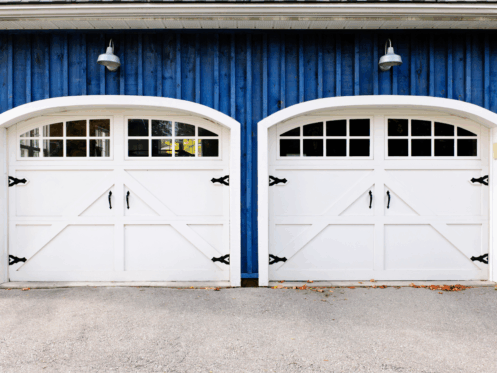
Commercial garage door installation is a critical process that directly affects safety, daily operations, and long term performance. Businesses rely on commercial doors to open and close smoothly throughout the day, protect inventory, and support efficient workflow. A poorly installed door can lead to frequent breakdowns, safety risks, and unexpected interruptions that disrupt operations.
This guide explains how commercial garage door installation is handled step by step, focusing on preparation, measurements, system setup, and long term care.
Why Proper Preparation Matters Before Installing a Commercial Garage Door
Preparation sets the foundation for a successful installation. Before any tools are used, the site must be evaluated to ensure the door system matches the building’s structure and usage needs.
Key preparation steps include:
- Inspecting the opening for structural stability and level surfaces
- Confirming ceiling height and side room clearance
- Identifying the type of commercial overhead doors required for the space
- Verifying power access if an automatic system will be used
Skipping preparation often leads to alignment issues and early wear. Proper planning also reduces the risk of future garage door repair caused by stress on tracks, rollers, or springs.
How to Measure Your Opening for the Right Door Fit
Accurate measurements are essential in overhead door installation. Commercial doors are larger and heavier than residential ones, which makes precision even more important.
Measurements should include:
- Width of the opening from side to side
- Height from the floor to the top of the opening
- Headroom space above the opening
- Side room on both sides for track installation
Incorrect measurements can cause gaps, dragging panels, or doors that do not seal properly. Measuring also helps determine whether rolling steel doors, sectional doors, or other commercial doors are appropriate for the facility.

How to Install Tracks and Roller System With Precision
Track installation is one of the most important stages of commercial garage door installation. Tracks guide the door’s movement, and even minor misalignment can affect performance.
Steps involved include:
- Securing vertical tracks on both sides of the opening
- Ensuring tracks are plumb and evenly spaced
- Installing horizontal tracks aligned with ceiling supports
- Mounting rollers correctly into each door section
Tracks must be anchored firmly to support the weight of commercial overhead doors. Precision at this stage reduces friction, noise, and uneven movement during operation.
How to Calibrate Door Balance and Alignment
Once the tracks and panels are in place, door balance and alignment must be calibrated. Commercial doors rely on springs and cables to offset their weight, allowing safe and controlled movement.
Proper calibration involves:
- Adjusting torsion or extension springs evenly
- Checking cable tension on both sides
- Testing manual lift resistance
- Ensuring the door remains level during operation
A balanced door reduces strain on openers and minimizes the risk of breakdowns. Poor balance is a common reason businesses later require Rolling Steel Door Repair or other corrective services.
How to Maintain Your Commercial Garage Door for Longevity
Installation does not end when the door is operational. Ongoing care plays a major role in extending the life of commercial doors and preventing downtime.
Commercial Garage Door Maintenance focuses on:
- Routine inspections of tracks, springs, and cables
- Checking fasteners and mounting points
- Testing safety features and limit settings
- Identifying early signs of wear
Businesses that schedule regular maintenance reduce emergency garage door repair calls and improve daily reliability. Learn more about Commercial Garage Door Maintenance through professional service programs designed for high use environments.

How to Lubricate and Care for Moving Parts
Lubrication keeps moving parts operating smoothly and reduces friction. Commercial systems include many components that must work together under heavy use.
Key lubrication points include:
- Rollers and hinges
- Springs and bearings
- Track contact points
- Chain or belt driven openers
Using the correct lubricant helps prevent corrosion and reduces noise. Proper care also supports Fire Door Maintenance requirements where fire rated doors are part of the building’s safety system.
What to Do When the Door Won’t Close Completely
A door that will not close fully is more than an inconvenience. It can compromise security and safety. Common causes include:
- Misaligned tracks or sensors
- Obstructions along the track
- Spring tension issues
- Opener limit settings
If basic checks do not resolve the issue, professional evaluation is recommended. Persistent closing problems often indicate deeper alignment or balance issues that require expert attention.
The Role of Professional Installation in Commercial Settings
Commercial garage door installation involves complex systems that must meet safety standards and support frequent daily use. Professional installers bring experience, specialized tools, and technical knowledge to ensure the system functions correctly from day one.
Professional installation supports:
- Accurate measurements and alignment
- Proper handling of heavy components
- Safe spring calibration
- Long term system reliability
Businesses relying on commercial overhead operations benefit from working with trained professionals who understand local building requirements and usage demands. For facilities using Commercial Overhead systems, expert installation ensures smooth operation and fewer disruptions.
Coordinating Installation With Ongoing Service Needs
Installation decisions should account for future service and maintenance. Choosing compatible components and accessible layouts makes inspections and repairs easier over time.
Planning ahead supports:
- Faster maintenance visits
- Reduced downtime
- Better compliance with safety standards
- Improved door lifespan
For facilities with fire rated systems, ongoing Fire Door Maintenance is especially important to maintain compliance and safety readiness.
Conclusion
Commercial garage door installation requires careful planning, precise execution, and ongoing care. From preparation and measurement to alignment and maintenance, each step plays a role in ensuring reliable performance.
A properly installed system supports safety, efficiency, and durability in demanding commercial environments. Businesses seeking dependable results should focus on professional installation and regular maintenance to protect their operations.
To ensure the right solution for your facility, consider requesting a professional assessment and Request a Quote to get started with expert guidance.
FAQ
1. How long does a commercial garage door installation take?
Installation time varies based on door type, size, and site conditions. Most projects are completed within one to two days when preparation is complete.
2. What tools are essential for this installation?
Essential tools include levels, drills, torque wrenches, spring winding bars, and safety equipment designed for commercial doors.
3. Can I install a commercial garage door myself?
Due to the size, weight, and safety risks, professional installation is strongly recommended for commercial doors.
4. How do I know if my door is balanced correctly?
A balanced door stays level when lifted manually and does not drift up or slam down when released.
5. What maintenance does a commercial garage door need?
Regular inspections, lubrication, alignment checks, and scheduled Commercial Garage Door Maintenance help ensure long term performance and safety.