
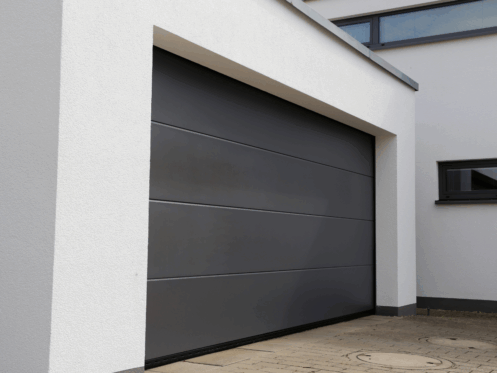
Understanding the Different Types of Roll Up Doors
Before diving into the installation process, it’s important to understand the different types of roll up doors available. The most common options include:
- Residential Roll Up Garage Doors: These are typically used for homes, offering both security and space-saving features.
- Commercial Roll Up Doors: Ideal for warehouses, retail spaces, or garages, these doors are designed to handle higher traffic and heavier usage.
- Metal Roll Up Doors: Made from high-strength materials like steel or aluminum, these doors provide extra durability and are often used in industrial settings.
- Overhead Roll Up Doors: These doors are mounted above the opening and are perfect for areas with limited side clearance.
- Roll Up Shed Doors: A simpler version, designed for storage units or garden sheds, offering basic functionality.
Each of these doors has different specifications and requirements when it comes to installation. Understanding the right type for your needs will ensure that you’re prepared for the next steps.
Tools and Materials You’ll Need Before Installation
Before starting the installation of your roll up garage door, it’s important to gather all the necessary tools and materials. You will need:
- A power drill and bits
- A level for accurate placement
- A wrench set
- A tape measure for precise measurements
- Mounting brackets, hardware, and tracks (usually included with the door)
- A ladder for proper access
- Safety gloves and goggles
Having everything in place will help you stay organized and avoid delays during installation. If you’re unsure about what to gather, consult the instructions provided with the overhead roll-up door kit or reach out to a professional installer.
Preparing the Opening and Measuring for Accuracy
Proper preparation is key to ensuring your garage door rough opening is perfectly aligned. Here’s what you should do:
- Measure the Opening: First, ensure the width and height of the opening are precise. This helps in selecting the correct size of the roll-up garage door.
- Clear the Area: Remove any obstructions or debris around the opening. A clean and level surface is essential for smooth installation.
- Double-Check the Vertical and Horizontal Measurements: Use a level to ensure that both sides of the opening are perfectly aligned. Even minor discrepancies can affect the performance of the door.
An incorrect opening size or misalignment can lead to issues with door operation, so accuracy here is crucial.
Assembling the Roll Up Door Components
Once you have prepared the opening, it’s time to assemble the components of the metal roll-up door. Follow the manufacturer’s instructions carefully, as they may vary depending on the model. Typically, the assembly will include the following steps:
- Assemble the Roll-Up Door Sections: If your door comes in sections, you’ll need to attach them together to create a single, continuous door.
- Install the Roll-Up Drum and Tension System: The drum is an integral part of the system that allows the door to roll up and down smoothly. The tension system ensures that the door remains secure while in operation.
- Attach the Tracks: The tracks are essential for guiding the door as it rolls up. Ensure they are level and securely mounted.
Taking time to properly assemble these components will ensure a smoother installation process down the road.
Installing the Door Tracks and Mounting Brackets
Now that your door components are ready, it’s time to install the tracks and mounting brackets. Here’s a step-by-step breakdown:
- Attach the Vertical Tracks: Place the vertical tracks along the sides of the opening, making sure they’re perfectly aligned. These tracks will guide the door as it rolls up and down.
- Mount the Horizontal Tracks: The horizontal tracks run above the opening and guide the door when it’s fully rolled up. Make sure they are properly attached to the ceiling.
- Secure the Brackets: The mounting brackets hold the door tracks in place. These should be tightly secured to the wall and ceiling to ensure the door operates without wobbling.
This part of the installation is crucial for the door’s stability and smooth operation.
Securing the Roll Up Drum and Tension System
The roll up drum and the tension system play a critical role in making sure your door opens and closes smoothly. Here’s how to handle this step:
- Install the Roll-Up Drum: Position the drum at the top of the opening. This drum will house the coil that helps lift and lower the door.
- Set the Tension: Adjust the tension system to ensure the door is neither too loose nor too tight. This will allow it to move smoothly without issues.
- Test the Mechanism: Before securing everything, manually test the door to check if the tension is right. It should roll up easily without too much resistance.
Securing these components properly ensures the door operates reliably and safely for years to come.
Testing the Door for Smooth Operation and Safety
Once the rolling steel doors are fully installed, it’s important to test them to ensure everything is functioning as expected.
- Check the Door’s Alignment: Open and close the door several times to make sure it moves smoothly along the tracks without any jerky motions.
- Look for Any Obstructions: Ensure that nothing is blocking the tracks or preventing the door from moving freely.
- Test the Safety Features: If your door includes automatic reversal or other safety systems, check that they are working properly.
This step will confirm that the door is installed correctly and ready for use.
Tips for Maintenance and Long-Term Performance
Proper maintenance is essential to extend the life of your roll up garage doors and keep them working smoothly. Here are a few tips:
- Lubricate the Moving Parts: Periodically lubricate the tracks, springs, and rollers to keep them running smoothly.
- Inspect the Springs: Over time, the springs in your door system can wear out. Check them regularly for signs of wear or damage.
- Clean the Door: Regularly clean the door’s surface to prevent dirt or debris from building up, which can lead to operational problems.
- Test Safety Features: Ensure that the door’s safety sensors are working and that the auto-reversal function is functioning properly.
Regular maintenance can help avoid costly repairs and ensure that your residential roll-up garage door continues to perform at its best.
Conclusion
Installing a roll-up door requires careful planning, the right tools, and a keen attention to detail. Whether you’re installing a metal roll-up door for a commercial building or a residential roll-up garage door, following the correct steps will ensure the door operates smoothly and securely.
Frequently Asked Questions
1. What is the rough opening for a roll-up door?
The rough opening for a roll-up door should be slightly larger than the door itself to ensure easy installation. It’s important to measure the width and height accurately for a perfect fit.
2. What is the proper name for a roll-up door?
The proper term for a roll-up door is often referred to as a rolling door or overhead door, depending on its specific function and design.
3. What are the hazards of roll-up doors?
The main hazards of roll-up doors include potential pinching, improper installation leading to malfunction, and malfunctioning safety sensors. Always ensure the door is installed correctly and regularly inspected for safety.