
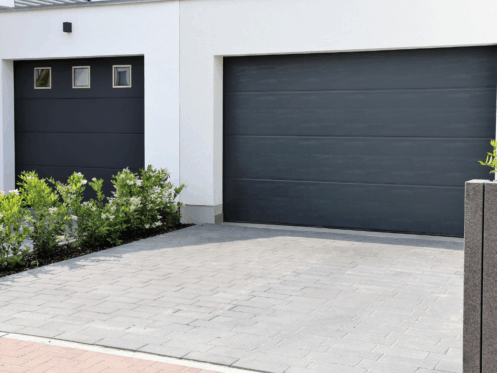
In this blog, we’ll explain how to insulate a garage door, why it matters, and how homeowners can benefit from professional installation by BDK Door.
Benefits of Insulating Your Garage Door
Insulating a garage door does much more than improve comfort, it enhances energy efficiency, noise reduction, and even home value. Here are the main advantages:
- Improved Energy Efficiency
Insulated doors help maintain consistent indoor temperatures, reducing the strain on your heating and cooling systems. - Enhanced Durability
Adding insulation reinforces garage door panels, making them more resistant to dents and damage. - Noise Reduction
Insulation acts as a sound barrier, minimizing noise from outside traffic, storms, or mechanical operation. - Better Home Comfort
Insulated garages stay warmer in winter and cooler in summer, making them more functional year-round. - Increased Property Value
Energy-efficient upgrades like an insulated garage door can boost your home’s resale appeal.
If you already have a high-quality garage door from BDK Door, insulation is an easy and effective way to make it even better.
Best Materials for Garage Door Insulation
When it comes to garage door insulation, choosing the right material is key. Here are the most common types:
1. Polystyrene Panels (Rigid Foam Board)
This lightweight foam provides good insulation and is easy to install. It’s often used in garage door insulation kits for DIY projects.
2. Polyurethane Foam (Spray Foam)
This material offers superior insulation and strength because it expands to fill gaps. It’s ideal for maximum energy efficiency and is commonly used in professional installations.
3. Reflective Foil Insulation
Made with aluminum foil layers, this option is best for hot climates. It reflects heat away from the garage, keeping it cooler in the summer.
4. Fiberglass Batts
A traditional insulation material, fiberglass provides good thermal resistance but requires careful installation to avoid gaps or moisture buildup.
Each material has its advantages. For long-term performance and professional results, BDK Door recommends foam-based or multi-layer insulation options.
Step-by-Step Guide to Insulate a Garage Door
If you prefer to take on the task yourself, here’s a simple step-by-step guide to insulate a garage door:
Step 1: Measure the Door Panels
Start by measuring the width and height of each door panel to determine how much insulation you’ll need.
Step 2: Choose the Right Insulation Material
Select an insulation type suitable for your climate and door style. Foam board or reflective foil panels are most common for residential garage doors.
Step 3: Clean the Surface
Wipe down the inside of your garage door panels to remove dirt and debris. A clean surface ensures better adhesion.
Step 4: Cut the Insulation
Use a utility knife to cut your insulation material to match the panel dimensions.
Step 5: Install the Insulation
Attach the insulation panels using adhesive tape, clips, or a mounting kit. Make sure they fit snugly within each section.
Step 6: Seal the Edges
Seal the edges with foil tape or weatherstripping to prevent air leaks.
Step 7: Test the Door Functionality
Open and close your door a few times to make sure the added weight doesn’t affect its balance or operation.
If the door feels heavy or doesn’t move smoothly, it may need spring adjustments, something a professional from BDK Door can handle safely.
How Garage Door Insulation Improves Energy Efficiency
Homeowners experience both cold winters and hot summers, making insulation especially valuable. An insulated garage door acts as a thermal barrier, keeping outside air from influencing the temperature inside your home.
Here’s how it contributes to energy savings:
- Reduced Heat Transfer: The insulation material prevents heat from escaping in winter and entering in summer.
- Lower Utility Bills: With less energy lost through the garage, your HVAC system doesn’t have to work as hard.
- Better Indoor Climate: Rooms adjacent to or above the garage stay more comfortable year-round.
When properly installed, insulation can make a noticeable difference in your home’s comfort and efficiency.
Does Insulating a Garage Door Help?
Yes, insulating a garage door helps in multiple ways. Besides saving energy, it creates a quieter and more durable space. If your garage doubles as a workshop, gym, or storage area, insulation helps maintain a stable temperature, protecting equipment and valuables from temperature extremes.
In addition, insulated garage doors operate more quietly and tend to last longer, as the insulation adds structure and reduces vibration.
Why Choose BDK Door
If you’re looking for expert advice or professional installation, BDK Door is your trusted partner. Our team has years of experience helping homeowners upgrade their doors for better efficiency, performance, and style.
We offer complete services including:
- Garage Door Installation/Replacement
- Garage Insulation and Maintenance
- Custom Garage Door Installation
- Spring and Cable Replacement
Whether you’re installing new energy-efficient garage doors or insulating an existing one, we ensure precision, quality, and long-lasting results.
For personalized recommendations, visit BDK Door or Request a Quote today to learn how we can help improve your garage’s comfort and performance.
Final Thoughts
Insulating your garage door is one of the smartest ways to enhance comfort, efficiency, and home value. It’s a cost-effective project that pays off through lower energy bills and increased durability.
If you’re ready to upgrade your home’s comfort and performance, BDK Door is here to help. Our team provides expert installation, repair, and insulation services tailored to your needs.
Visit BDK Door or Request a Quote today to get started on your garage door insulation project.
FAQs
1. Why should I insulate my garage door?
Insulating your garage door helps maintain consistent indoor temperatures, reduces energy bills, and protects your garage from noise and moisture.
2. What is the best insulation material for garage doors?
Polyurethane foam and rigid polystyrene panels are among the best options for maximum energy efficiency and durability.
3. Can I insulate a garage door myself?
Yes, DIY kits are available. However, professional installation ensures proper fit, balance, and performance, especially for heavier or multi-layer doors.
4. How much does it cost to insulate a garage door?
Costs vary based on materials and size. For an accurate estimate, Contact us to Get Your Pricing Now or Request a Free Quote.