
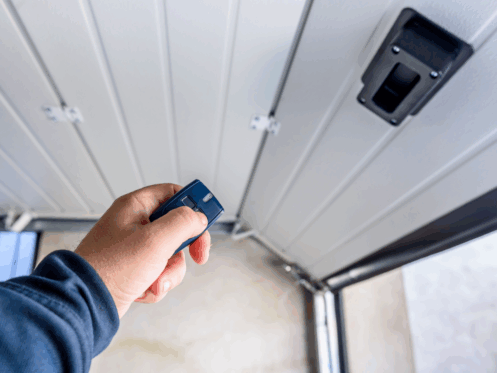
When a power outage hits, one of the most frustrating moments is realizing your garage door will not open. Since most homeowners rely on an automatic opener, it can feel confusing when the system stops responding. Learning how to manually open a garage door without electricity helps you stay prepared for emergencies and keeps your home accessible when the power is down.
This guide explains the entire process step by step and shows you how to use the manual release safely, how to troubleshoot issues, and when you should contact a professional for help.
Why Your Garage Door Will Not Open During a Power Outage
A garage door will not open during a power outage because the opener relies on electricity to lift the door through its motor and trolley mechanism. When power is lost, the system becomes inactive, leaving the door locked in place until it is manually released.
Here are the main reasons the door stays closed during an outage:
- The motor cannot engage the lifting mechanism.
- The trolley remains locked to the opener rail.
- Safety sensors stop working without electricity.
- The emergency release cord has not been activated.
Understanding these basics helps you avoid forcing the door and reduces the risk of damage.
Understanding the Manual Release Mechanism
Every overhead garage door has an emergency release system designed for situations when the opener cannot function. This system allows you to detach the door from the opener so you can move it manually.
Key parts of the manual release mechanism:
- Emergency Release Cord with a red handle.
- Trolley Mechanism that locks and unlocks the door.
- Manual Mode Lever that re-engages the opener later.
Before you pull the cord, make sure the door is fully closed. If you’re using a liftmaster garage door opener, this step is even more important, as releasing the system while the door is open can cause sudden movement because of spring tension.
Step by Step Guide to Manually Open a Garage Door Without Power
Once you understand how the system works, follow these steps to safely open the door by hand.
1. Locate the Emergency Release Cord
Find the red release cord that hangs down from the opener’s rail. It is designed for quick access during a power outage.
2. Pull the Cord Downward
Pull the cord straight down until you feel the trolley unlock. This action disconnects the door from the opener.
3. Lift the Door Carefully
Stand close to the door, grip it firmly, and lift straight up. The springs should help counterbalance the weight.
4. Secure the Door in the Open Position
Once it reaches the top, make sure the door stays open. If it starts to slide back down, the springs may be worn and require attention.
5. Close the Door by Hand
When you are ready to close it, lower it slowly and keep your hands away from the tracks.
This method works for most standard overhead models, including those used in attached and detached garages.
How to Reset the Garage Door After Using Manual Mode
After power is restored or repairs are completed, the opener needs to be re-engaged.
Here is how to reset the system:
- Pull the emergency cord again, this time toward the opener.
- Move the door by hand until the trolley clicks back into the carriage.
- Press the opener button to allow the system to reconnect fully.
If the opener does not engage right away, gently move the door up and down until the trolley locks into place. This process ensures the opener can resume normal operations.
Safety Precautions to Follow Before Opening the Door Manually
Manually operating a garage door can be risky if the springs or cables are damaged. Always take precautions.
Important safety tips:
- Check the springs and cables first. If anything looks loose, frayed, or broken, avoid lifting the door.
- Avoid pulling the cord with the door open. It can cause the door to slam shut.
- Lift using both hands at the center of the door. This ensures even balance and reduces strain.
- Do not stand under the door while lifting it. Heavy doors can fall unexpectedly.
Following these steps protects you from accidents and ensures a safer manual operation.
When Your Garage Door Will Not Open Because of a Broken Part
If the power is out and the garage door still will not open even in manual mode, the issue might be mechanical rather than electrical.
Common causes include:
- Broken Springs: Torsion or extension springs can snap, making the door too heavy to lift.
- Damaged Cables: A broken garage door cable prevents the door from moving evenly.
- Bent Tracks: Misaligned tracks stop the rollers from moving smoothly.
- Faulty Rollers: Worn rollers create friction and lock the door in place.
If you notice grinding noises, uneven lifting, or visible damage, it is best to stop trying to force the door open.
For repairs, you can explore garage door repair services through the internal resource provided.
Book Professionals for Garage Door Assistance
Manual operation is helpful during a power outage, but some repairs require trained experts. Issues involving springs, cables, or track alignment can be dangerous if handled without proper tools and experience.
Professional technicians can help with:
- Emergency release issues
- Opener resets
- Spring or cable replacement
- Track adjustments
- System inspections
If your garage door will not open due to mechanical failure, booking a certified professional ensures accurate diagnosis and safe repairs.
FAQs
1. How do I manually open my garage door from the outside?
Most doors have an external emergency release kit. Insert the key, unlock the mechanism, and pull the release cable to disengage the opener.
2. How do I bypass an electric garage door opener?
Use the manual release cord to disconnect the door from the automated opener, allowing you to lift it by hand.
3. Can you open electric garage doors manually?
Yes. All electric models include a manual release system. As long as the springs and cables are in good condition, you can lift the door safely.
Read more Blogs about insulating garage door and Reset Garage Door Keypad