
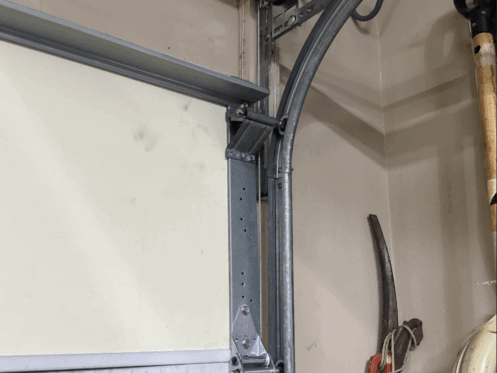
If you are unsure where to begin, this guide explains how garage door springs break, what you can do next, and when it is best to bring in experts from BDK Door Company for professional help.
What is Broken Garage Door Spring
A broken garage door spring is one of the most common issues affecting garage door performance. Springs carry the door’s weight every time it opens or closes. When they break, the garage door becomes heavy, difficult to lift, and unsafe to operate.
Most homes use either a torsion spring garage door system or an extension spring system.
- Torsion springs sit above the door and help it open smoothly.
- Extension springs stretch along both sides of the door tracks and help counterbalance the weight.
If either type fails, the entire system loses tension, making the door impossible to lift manually or with the opener.
How to Fix a Broken Garage Door Spring
Fixing a broken garage door spring involves understanding how the spring system works and identifying which part needs attention. The garage door repair process typically includes:
- Inspecting both springs for damage
- Checking cables, pulleys, and safety cable connections
- Determining whether one or both springs need replacement
- Ensuring proper balance and tension during installation
Since springs store intense pressure, repairing them requires skill and safety precautions. While homeowners can troubleshoot simple issues, most spring-related problems should be handled by trained technicians.
If you ever feel unsure, contact local experts for Garage Door Repair Montgomery Illinois to avoid injury and ensure your door works safely again.
Step-by-Step Garage Door Spring Replacement
A typical garage door spring replacement includes these steps:
1. Disconnect Power and Secure the Door
The opener is unplugged and the door is clamped in place to prevent unexpected movement.
2. Remove the Damaged Spring
For torsion systems, the tension must be carefully released before the coil is removed. For extension systems, the spring must be detached from the track and pulley system.
3. Install New Springs
New springs are matched based on door weight, height, and material. Incorrect sizing can cause long-term damage.
4. Reattach Cables and Hardware
Cables, pulleys, bearings, and the safety cable must be reconnected and inspected.
5. Balance and Test the Door
A properly balanced door should lift easily and stay in place when opened halfway. This step is the most important phase of the repair process.
If you want a complete, safe installation, many homeowners choose Garage Door Installation Montgomery Illinois for professional support.
Tools Needed to Repair a Garage Door Spring
Repairing springs requires specialized tools such as:
- Winding bars
- Adjustable wrench
- Socket set
- Locking pliers
- Lubricant
- Ladder
- Safety gloves and goggles
Using the wrong tools can cause the spring to snap or unwind unexpectedly. This is one reason why many experts recommend leaving spring repair to a trained Garage Door Technician.
DIY Garage Door Spring Repair Guide
If you plan to attempt a DIY repair, keep these guidelines in mind:
1. Identify Your Spring Type
Locate whether you have torsion or extension springs. Torsion systems are more difficult and dangerous to repair without experience.
2. Follow Safety Instructions Closely
Wear protective gear and keep hands and face away from the spring coils.
3. Replace Both Springs When Necessary
If one spring breaks, the other is often weak. Replacing both ensures even tension.
4. Do Not Use the Opener During Repair
Running the opener with a broken spring can damage the motor and garage door opener system.
DIY repairs can work for minor issues, but garage door springs are high-tension components. A mistake can lead to severe injury. When in doubt, reach out for professional help.
Safety Tips for Garage Door Spring Repair
Working with springs requires caution. Follow these safety tips:
- Never loosen or adjust a torsion spring without the correct winding bars.
- Make sure kids and pets stay clear of the repair area.
- Do not attempt repairs when the door is open.
- Check the safety cable on extension springs before beginning work.
- If you feel tension shifting unexpectedly, stop and call a professional.
Safety should always be the most important part of the repair process.
When to Call a Professional
Spring-related repairs can go wrong quickly. If your door is uneven, extremely heavy, jammed, or making grinding sounds, it is time to call professionals. A certified technician ensures the repair is completed correctly and prevents damage to your door, tracks, or opener.
BDK Door Company specializes in reliable spring repair and full-service solutions for residential garage door systems.
Final Thoughts
Repairing garage doors springs is essential for keeping your garage door safe, balanced, and functioning smoothly. Whether you choose a DIY approach or hire a trained technician, safety and proper installation should be top priorities. For expert repair and installation services, contact BDK Door Company and Request a Free Quote.
FAQs
1. Can you fix a garage door spring yourself?
Yes, but it is risky. Springs hold extreme tension, and improper handling can cause injuries. Professional repair is the safest option.
2. How can you open a garage door when the tension spring is broken?
You should not attempt to lift the door alone. If necessary, lift it manually with two people and use caution. It is safer to wait for a technician.
3. How long do garage door springs typically last?
Springs generally last around 10,000 cycles. Heavy usage can reduce lifespan.
4. Is it safe to operate a garage door with a broken spring?
No. The door can fall or cause strain on the opener. Avoid using it until repaired.