
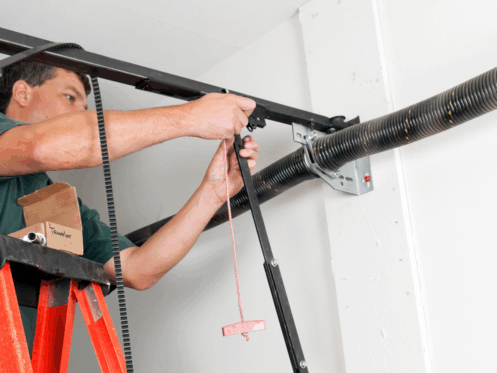
A broken or worn garage door cable can quickly turn a smooth working system into a safety concern. Since cables carry the weight of the door and help keep the movement controlled, any damage can create serious risks. Repairing a garage door cable helps reduce the risk of sudden door drops, uneven movement, and added stress on the springs and rollers, which is especially important in high-traffic settings like a commercial garage door install. If you are planning to replace a cable on your own, it is important to understand the process, safety steps, and the right tools. This guide walks you through every step so you can approach the repair with confidence while ensuring long-term performance and safety.
Identifying the Need for Garage Door Cable Repair
Before starting any work, you should confirm whether the cable truly needs replacement. Most issues become visible or noticeable when operating the door.
Here are common signs you may need garage door cable repair:
- The door appears crooked or lifts unevenly
- Frayed or separated strands on the cable
- A loose or detached cable hanging by the track
- The door feels unusually heavy when lifting
- Loud snapping sounds coming from the cable area
- Increased strain on the opener during operation
If the door is off track, jammed, or sagging, it is safer to stop using it until the repair is complete.
Essential Preparations Before Garage Door Cable Repair
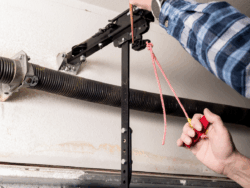
Cable work involves tension from springs and door weight, so preparation is important for safety. Before you begin, make sure the door is stable.
Follow these preparation steps:
- Disconnect the opener to prevent accidental movement
- Clamp the door to the track to keep it from sliding
- Use protective gloves to shield your hands from any sharp cable edges.
- Ensure you have enough lighting in the repair area
- Check the springs and rollers for damage during your prep
If the door uses extension springs, the cable is routed differently than on a torsion spring system. Understanding the system type helps you replace the cable correctly and avoid spring tension injuries.
Tools and Materials for a Successful Cable Replacement
Having the right tools makes the replacement process smoother and safer. Most garage door cable replacement tasks require basic tools, but a few specialty items improve accuracy.
You will typically need:
- Replacement garage door wire or cable
- Winding bars for torsion spring systems
- Locking pliers or clamps
- Socket wrench set
- Ladder
- Safety glasses and gloves
- Pliers for securing and adjusting loops
If you are unsure which cable to buy, compare the size and thickness of the damaged cable or refer to manufacturer guidelines. Cables that are too thin or too long may interfere with door balance.
Step-by-Step Guide to Replacing a Broken Garage Door Cable
Once you have prepared the workspace and gathered the tools, you can begin the cable replacement process. The steps differ slightly based on spring type, but the general method remains similar.
Step 1: Secure the Door
Clamp the door to the tracks so it does not shift while you work. This keeps the system stable and prevents sudden movement.
Step 2: Release Tension
For torsion spring systems, slowly unwind the springs using winding bars. Never use screwdrivers or improvised tools. For extension springs, detach the safety cable and release tension carefully.
Step 3: Remove the Old Cable
Detach the broken garage door cable from the drum and bottom bracket. If the cable snapped, remove all fragments so nothing interferes with the new cable.
Step 4: Install the New Cable
Thread the cable through the bottom bracket first. Then route it up toward the drum, making sure it aligns smoothly with the track.
Step 5: Wrap the Cable on the Drum
Wind the new cable evenly around the drum. Keep tension in the line so it does not slip off the grooves once the spring tension is reapplied.
Step 6: Re-tighten the Springs
Restore spring tension slowly, checking cable alignment as you go. Straight, even tension ensures the door stays balanced.
Step 7: Test Door Movement
After removing clamps, lift the door manually. It should rise smoothly without force or jerking. If it binds or leans, recheck cable placement on the drum.
Following these steps helps you complete garage door cable replacement safely and correctly.
Re-Tensioning Your Garage Door Springs After Cable Repair
Spring tension plays a major role in how well the door opens and closes. After cable repair, you must ensure the springs are wound correctly. A door with proper tension should balance at mid height without falling or rising on its own.
Tips for proper re-tensioning:
- Adjust tension a little at a time
- Keep both sides symmetrical
- Make sure cables stay tight in the drum grooves
- Test door movement after each adjustment
If the door slams shut or shoots up quickly, the springs need a tension correction.
Troubleshooting Common Issues After Garage Door Cable Repair
Even after installation, some issues may arise. Many of these issues can be resolved with basic adjustments.
You may notice:
- Uneven door movement caused by uneven cable wrap
- Squeaking noises from misaligned brackets
- Door drifting down due to low spring tension
- Loose cable ends from incorrect drum seating
If the problem continues after adjustments, the issue may involve springs or rollers instead of the cable itself.
When to Call a Professional for Garage Door Cable Repair
Replacing a cable can be manageable for someone with mechanical experience. However, if you are unsure or uncomfortable working with springs, tension, or heavy door panels, calling a professional is the safest choice.
Professional help is recommended when:
- The door has high tension torsion springs
- The door fell off track during the cable break
- Multiple components cracked or bent
- The cable snapped while the door was open
- You cannot get the door to balance after repair
You can also explore Garage Doors service options if the damage affects more than just the cable or if your door needs a broader inspection.
Conclusion
A properly functioning cable is one of the most important components of a safe and smooth operating garage door system. By understanding the signs of damage, preparing correctly, using the right tools, and following each replacement step carefully, you can complete garage door cable repair with confidence. However, if the repair feels risky or the door has additional problems, professional help ensures your system stays secure and long lasting.
FAQs
1. What happens if a cable breaks on a garage door?
The door may drop unevenly, become crooked, or refuse to open. Operating it can be dangerous until the cable is replaced.
2. Can I replace a shift cable myself?
It is possible if you have mechanical experience, but handling spring tension can be risky. Many homeowners prefer professional assistance for safety.
3. What is the average lifespan of a shift cable?
Most cables last several years, depending on usage and door weight. Regular inspection helps identify wear before failure.
Read More Blogs about Program Garage Door & Garage Door Pad