
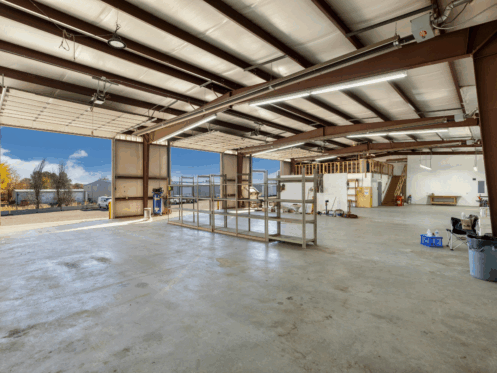
Garage door sizes are one of the most overlooked details when homeowners plan a new garage or replace an existing door. Many people assume all garage doors are roughly the same width, only to realize later that their vehicle barely fits or daily access feels tight. Choosing the wrong garage door width can affect convenience, safety, and long term usability.
Garage layouts across the US vary widely based on home design, vehicle size, and storage needs. From compact single car garages to oversized multi vehicle spaces, garage door width plays a critical role in how functional the space truly is. Understanding standard garage door sizes and how to select the right width helps prevent costly mistakes and daily frustration.
Standard Garage Door Widths Explained
Standard garage door sizes are structured to fit most residential and commercial garages. These sizes provide enough clearance for typical vehicles while balancing structural requirements and door performance.
In most homes, garage door width is measured in feet. Common widths have become industry standards because they work well with typical garage dimensions and vehicle sizes.
A standard single garage door is usually wide enough to accommodate one vehicle with reasonable clearance on both sides. Double garage doors are designed to allow two vehicles to enter side by side or one vehicle with extra room.
Understanding these standard garage door sizes helps homeowners start their planning process with realistic expectations.
Common Widths for Single, Double, and Custom Doors
Garage door width varies depending on how the garage is used and how many vehicles it serves.
Common widths include:
- Single garage door widths that typically range from 8 feet to 10 feet
- Double garage door widths that commonly range from 14 feet to 18 feet
- Custom garage doors that exceed standard sizes for specialty needs
A double garage door is often chosen for two car garages, while wider custom options are popular for larger vehicles or garages with additional storage requirements.
Custom garage doors allow flexibility when standard garage door sizes do not meet the needs of the space.
Why Garage Door Width Matters for Your Vehicles
Garage door width directly impacts how easy it is to park, enter, and exit your garage. A door that is too narrow increases the risk of accidental damage to vehicles and door frames.
Wider garage doors offer:
- Easier parking with less maneuvering.
- Reduced risk of side mirror damage.
- More comfortable entry for larger vehicles.
As vehicles continue to increase in size, many homeowners find that older standard garage door sizes no longer provide enough clearance. Choosing the right garage door width helps future proof the garage for changing needs.
How to Measure Your Garage Door Opening Accurately
Accurate measurement is essential when selecting garage door sizes. Even small measurement errors can lead to installation issues or poor door performance.
To measure your garage door opening correctly:
- Measure the full horizontal distance across the opening from one side to the opposite side.
- Measure the height from the floor to the top of the opening
- Check side room clearance on both sides
- Measure headroom above the opening
These garage dimensions help determine which door widths and heights will fit properly. Measuring carefully also helps identify whether a standard or custom door is required.

Choosing the Right Width for Your Space and Needs
Choosing the right garage door width depends on how the garage is used. Some garages are dedicated solely to parking, while others serve as workshops, storage areas, or access points to the home.
Consider the following when choosing width:
- Number of vehicles using the garage
- Vehicle size and door swing clearance
- Storage or workspace needs
- Frequency of use
Homes with frequent daily use benefit from slightly wider garage door widths, even if the garage technically meets minimum size requirements.
When to Go Wider: Benefits of Extra Width
Extra width can significantly improve garage usability. While standard garage door sizes work for many homes, wider doors offer noticeable advantages.
Benefits of wider garage doors include:
- More forgiving parking space
- Easier access for larger vehicles
- Improved airflow and visibility when open
- Increased flexibility for future needs
Wider doors are especially helpful in garages with limited interior space or angled driveways where alignment is more challenging.
Width vs. Height: What Works Best Together
Garage door width and door height work together to create a functional opening. Choosing the right width without considering height can limit usability.
Standard door height often ranges from 7 feet to 8 feet in residential garages. Taller vehicles or overhead storage systems may require additional height to function comfortably.
Balancing door width and door height ensures the garage accommodates both current and future needs without compromising performance.
How Door Type Affects the Width You Can Choose
The type of garage door you choose influences available width options. Some door styles work better with wider openings than others.
Factors that affect width selection include:
- Sectional doors that operate smoothly across wide openings
- Roll up doors that require minimal side room
- Commercial style doors designed for larger spans
Homes with unique garage layouts may benefit from exploring Commercial garage doors for wider openings or specialized usage.
Custom Garage Door Sizing: What You Should Know
Custom garage doors are ideal when standard garage door sizes do not fit the opening or meet functional requirements. Custom sizing allows homeowners to maximize available space without compromise.
Custom garage doors are often used when:
- Garage openings are wider than standard options
- Architectural design requires specific proportions
- Specialty vehicles need extra clearance
While custom sizing adds flexibility, proper measurement and planning are critical to ensure smooth operation and long term reliability.
Mistakes to Avoid When Picking a Garage Door Width
Choosing the wrong garage door width can lead to ongoing issues. Many mistakes happen when homeowners focus only on current needs instead of long term usability.
Common mistakes include:
- Choosing the narrowest possible width to save space
- Ignoring vehicle size changes over time
- Failing to measure the opening accurately
- Overlooking driveway alignment and entry angle
Avoiding these mistakes helps ensure the garage door supports daily use without frustration.
Garage Door Sizes for Residential and Commercial Use
Residential garage door sizes differ from those used in commercial buildings. Commercial spaces often require wider and taller doors to support larger vehicles and equipment.
Residential garage doors focus on convenience and aesthetics, while Commercial garage doors prioritize durability and capacity. Understanding these differences helps property owners choose the right solution for their needs.
Homeowners exploring options can review Residential garage doors to understand how standard and custom sizes fit different home layouts.
Planning Ahead for Future Garage Needs
Garage door sizes should support not only current vehicles but also future changes. Larger vehicles, additional storage, or new uses for the garage can all impact width requirements.
Planning ahead helps:
- Avoid early replacements
- Improve long term functionality
- Increase property value
Selecting the right garage door width is an investment in daily comfort and long term usability.
Conclusion
Garage door sizes play a major role in how functional and comfortable a garage feels. Understanding how wide a garage door should be helps homeowners avoid common mistakes and choose a door that fits their space and lifestyle.
From standard garage door sizes to custom options, selecting the right width improves access, protects vehicles, and enhances daily use. If you are planning a new door or evaluating your current setup, Request a Quote to get professional guidance tailored to your garage dimensions and needs. Choosing the right garage door sizes today helps ensure your garage works better tomorrow.
FAQ
1. What is the most common garage door width?
The most common width for a single garage door is around 9 feet, while double garage doors commonly range from 16 to 18 feet.
2. Can I install a non standard width garage door?
Yes. Custom garage doors can be built to fit non standard openings and specific usage needs.
3. How do I measure my garage door opening?
Measure the width, height, side room, and headroom of the opening to determine the correct garage door size.
4. What width should I choose for two cars?
A double garage door width of at least 16 feet is commonly recommended for two vehicles, with wider options offering more comfort.
5. Are wider garage doors more expensive?
Wider doors often require more material and support, which can increase overall cost, but they provide added convenience and flexibility.