
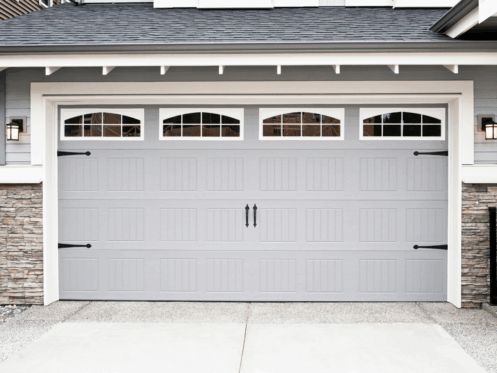
What is an overhead door is a common question for homeowners, business owners, and facility managers who rely on secure and efficient access points every day. Overhead doors are used in garages, warehouses, loading docks, service bays, and commercial buildings where durability and smooth operation are essential. While many people use them daily, few fully understand how they work or why choosing the right type matters.
Across the US, overhead doors play a major role in safety, workflow, and property protection. When an overhead door is not properly selected or maintained, it can lead to operational delays, security concerns, and frequent garage door repair needs. Understanding the purpose, mechanics, and options available helps property owners make informed decisions and avoid common issues.
What Exactly Is an Overhead Door?
An overhead door is a type of door that opens vertically and rests overhead when fully open. Instead of swinging outward or inward, the door moves along tracks and is stored above the opening. This design saves space and allows for efficient access in both residential and commercial environments.
Overhead doors are commonly used in garages, industrial buildings, and commercial facilities. They are designed to handle repeated daily use while providing security and protection from weather and external elements.
How Overhead Doors Work: The Mechanics Simplified
Understanding how overhead doors work makes it easier to identify problems and maintain proper performance. The system relies on a combination of mechanical components working together to lift and lower the door smoothly.
Proper overhead door installation ensures these components are aligned and balanced correctly. When alignment is off, the door may become noisy, uneven, or difficult to operate.

Key Components Inside an Overhead Door System
An overhead door system includes several essential parts that support movement and safety.
Key components include:
- Door panels or sections
- Tracks that guide movement
- Garage door springs that counterbalance weight
- Garage door rollers that allow smooth travel
- Cables and brackets that support lifting
- An automatic garage door opener in powered systems
Each component must function properly for the door to operate safely. Damage to any part can affect performance and increase the risk of breakdowns.
Different Types of Overhead Doors and How They’re Used
There are several types of overhead doors, each designed for specific environments and usage needs.
Common types include:
- Sectional overhead doors used in homes and light commercial spaces
- Rolling steel doors often found in warehouses and industrial settings
- High speed overhead doors designed for frequent use
- Fire rated overhead doors used as part of fire protection systems
Commercial overhead doors are built to handle higher traffic and heavier loads compared to residential models. Choosing the right type depends on usage frequency, security needs, and building layout.
Residential vs. Commercial Overhead Doors: What’s the Difference?
Residential and commercial overhead doors may look similar, but they are designed for different levels of use and durability. They are typically used a few times per day and are lighter in construction.
Commercial overhead doors are built for strength and reliability. They are designed to withstand constant use, larger openings, and heavier loads. Businesses often rely on commercial overhead doors to support daily operations, making proper installation and maintenance essential.
For facilities with high traffic, Commercial Garage Door Maintenance helps ensure consistent performance and reduces downtime.
Benefits of Installing an Overhead Door
Overhead doors offer several advantages that make them a popular choice across many industries.
Benefits include:
- Efficient use of space due to vertical operation
- Improved security for vehicles and equipment
- Smooth operation with minimal effort
- Compatibility with automatic systems
- Long term durability when properly maintained
These benefits make overhead doors suitable for garages, service centers, distribution facilities, and commercial buildings.
Common Materials Used in Overhead Doors
Overhead doors are available in a range of materials, each offering different advantages.
Common materials include:
- Steel for strength and durability
- Aluminum for lightweight operation
- Wood for visual appeal in residential settings
- Insulated composite materials for energy efficiency
Material choice affects maintenance needs, lifespan, and performance. In commercial environments, steel and insulated options are often preferred for reliability.
How to Choose the Right Overhead Door for Your Space
Choosing the right overhead door involves evaluating how the door will be used and the conditions it will face.
Key factors to consider include:
- Frequency of use
- Size of the opening
- Security requirements
- Insulation needs
- Type of automatic system
Working with professionals helps ensure the selected door matches the demands of the space and supports long term reliability.

Maintenance Tips to Extend Your Overhead Door’s Life
Regular maintenance plays a major role in extending the life of overhead doors. Without proper care, even high quality doors can wear out prematurely.
Maintenance tips include:
- Scheduling regular inspections
- Lubricating rollers and hinges
- Checking garage door springs for wear
- Keeping tracks clean and aligned
- Testing automatic safety features
Consistent maintenance reduces the likelihood of emergency repairs and supports smooth operation. For high use environments, scheduled Commercial Garage Door Maintenance is especially important.
Quick Fixes for Common Overhead Door Issues
Some overhead door issues can be addressed quickly when caught early.
Simple fixes may include:
- Clearing debris from tracks
- Tightening loose hardware
- Resetting opener controls
- Lubricating moving parts
If issues persist, professional Overhead Door Repair is recommended to prevent further damage and ensure safety.
When It’s Time to Repair vs. Replace Your Overhead Door
Knowing when to repair or replace an overhead door helps avoid unnecessary expenses and downtime.
Repair may be sufficient when:
- Individual components are worn but the door is structurally sound
- The door operates smoothly after adjustments
Replacement may be the better option when:
- The door shows extensive damage or corrosion
- Repairs are frequent and costly
- The door no longer meets operational needs
Professional assessment helps determine the most practical solution based on usage and condition.
The Role of Overhead Doors in Fire and Safety Planning
In some commercial settings, overhead doors are part of broader fire safety strategies. Fire rated systems help contain fire and smoke, supporting evacuation and emergency response.
Facilities using fire rated systems should prioritize Fire Door Maintenance to ensure doors function properly during emergencies and remain compliant with safety requirements.
Conclusion
What is an overhead door goes beyond a simple definition. Overhead doors are essential systems that support access, security, and efficiency in both residential and commercial spaces. From their mechanical design to their materials and maintenance needs, understanding how overhead doors work helps property owners make smarter decisions.
Proper selection, installation, and ongoing care extend door lifespan and reduce the need for frequent repairs. If you are evaluating options, addressing issues, or planning maintenance, Request a Quote to get professional guidance tailored to your space. What is an overhead door becomes clear when performance, safety, and reliability are prioritized.
FAQ
1. What is an overhead door used for?
Overhead doors are used to provide secure and efficient access in garages, warehouses, commercial buildings, and service areas.
2. How does an overhead door work?
An overhead door moves along tracks and is supported by springs and rollers, allowing it to open vertically and rest overhead.
3. Are overhead doors only for garages?
No. Overhead doors are widely used in commercial and industrial settings, including warehouses and loading docks.
4. What materials are overhead doors made from?
Common materials include steel, aluminum, wood, and insulated composite materials.
5. How long do overhead doors last?
With proper maintenance, overhead doors can last many years. Lifespan depends on usage, material, and maintenance practices.