
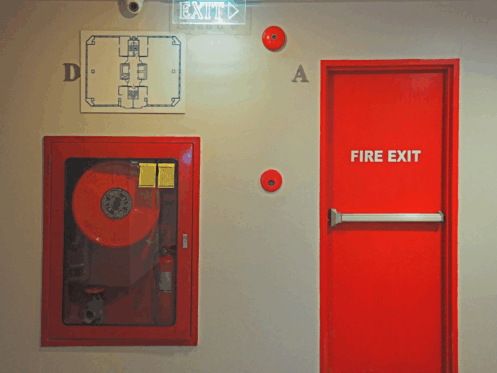
What is the purpose of a fire door is a question many building owners, managers, and facility teams ask when reviewing fire safety requirements. Fire doors are not just another type of door installed for compliance. They are a critical part of a building’s fire protection system and play a direct role in protecting lives, property, and business continuity.
In commercial and multi use buildings across the US, fires can spread rapidly if not properly contained. Smoke, heat, and flames move quickly through open corridors and doorways, making evacuation difficult and increasing structural damage. Fire doors are designed to slow this process, giving occupants time to exit safely and allowing emergency responders to do their jobs effectively.
Understanding how fire doors work and why they matter helps building owners make better decisions about safety planning, inspections, and upgrades.
How Fire Doors Are Built to Protect
Fire doors are engineered differently from standard doors. A fire rated door is designed to withstand fire, heat, and smoke for a specific period, depending on its fire door rating. This construction helps prevent flames and smoke from spreading between rooms or sections of a building.
Fire doors are built using fire resistant materials that may include steel, solid core composites, or treated wood. These materials are tested under controlled conditions to measure how long the door can maintain its integrity during a fire.
Unlike a regular door, a fireproof door works as part of a complete fire protection system, including walls, frames, seals, and hardware that all contribute to fire resistance.
Fire Doors as Barriers: How They Slow the Spread
One of the main purposes of a fire door is to act as a barrier. When a fire starts, it needs oxygen and open pathways to grow. Fire doors help limit both.
By closing automatically during a fire, these doors:
- Contain fire within a specific area
- Slow the spread of fire smoke into escape routes
- Reduce heat transfer to adjacent spaces
This delay can mean the difference between safe evacuation and serious injury. In fire doors commercial settings such as warehouses, offices, and retail buildings, containment is especially important due to larger open spaces and higher occupancy levels.
Reducing Property Damage in Emergencies
Fire doors do more than protect people. They also help reduce property damage during emergencies. When fire is contained to a single area, damage to inventory, equipment, and building structures is limited.
This controlled containment helps:
- Reduce structural damage
- Protect valuable assets
- Minimize cleanup and restoration time
Buildings with properly maintained fire doors often experience less widespread damage compared to those without adequate fire protection measures in place.
Lowering Risk and Liability for Building Owners
Fire safety responsibilities fall heavily on building owners and managers. Failure to maintain fire doors can increase legal and financial risk.
Fire doors help lower liability by:
- Supporting compliance with safety regulations
- Demonstrating proactive fire protection efforts
- Reducing the risk of injury claims
Routine Fire Door Inspection helps ensure doors function as intended and remain compliant with safety standards. Inspections also document maintenance efforts, which is important for audits and insurance reviews.
The Science Behind Fire Door Ratings
Fire door ratings indicate how long a door can resist fire under testing conditions. Common fire door ratings include 20, 45, 60, and 90 minutes.
These ratings are based on:
- Heat resistance
- Structural integrity during fire exposure
- Ability to block fire smoke
Understanding fire door rating requirements helps building owners select the correct door for each location. For example, doors in stairwells or near hazardous areas often require higher ratings than doors separating office spaces.
Key Components: Frames, Seals, Closers, and More
A fire door is not just the door slab itself. Several components work together to provide fire protection.
Key fire door components include:
- Fire rated door frame that maintains structure under heat
- Intumescent seals that expand when exposed to heat
- Smoke seals that limit fire smoke movement
- Self closing devices that ensure doors close automatically
- Fire rated hinges and hardware
If any component fails, the door may not perform as expected. This is why fire door inspections focus on the entire assembly rather than just the door panel.
Why Proper Fire Door Installation Is Critical
Even the best fire door will fail if it is not installed correctly. Gaps, misaligned frames, or missing hardware can reduce fire resistance and allow smoke or flames to pass through.
Proper installation ensures:
- Correct clearances around the door
- Full contact between seals and frames
- Reliable self closing operation
Professional installation supports long term performance and ensures the door functions as part of the building’s fire protection system.
Routine Checks: Keeping Fire Doors Functional
Fire doors must remain in working condition at all times. Propping a fire door open or disabling a closer can compromise safety.
Routine checks should confirm:
- Doors close fully without obstruction
- Seals are intact and undamaged
- Hinges and closers operate smoothly
- No unauthorized modifications exist
Routine fire door inspections help identify small issues before they become serious safety risks.
Quick Guide to Fire Door Inspection
Fire door inspection is a key part of ongoing fire safety planning. Inspections evaluate both function and condition.
A basic inspection includes:
- Verifying door labels and ratings
- Checking door frame alignment
- Inspecting seals and hardware
- Testing self closing mechanisms
Regular inspections support compliance and safety. Learn more about Fire Door Inspection requirements and best practices to keep your building protected.
Upgrading Your Building’s Fire Safety Features
As buildings age or change use, fire safety needs may also change. Upgrading fire doors can improve protection and align with updated safety standards.
Upgrades may include:
- Replacing outdated doors with higher rated options
- Adding smoke seals for improved protection
- Improving closing systems for reliability
Building owners evaluating upgrades often ask what is a fire rated door and how different types of fire doors fit specific building layouts. Understanding available options supports smarter safety planning.
Conclusion
What is the purpose of a fire door comes down to one core goal: protecting lives while limiting fire damage. Fire doors slow the spread of fire, reduce smoke movement, protect property, and support safe evacuation during emergencies.
When properly installed, inspected, and maintained, fire doors become a dependable layer of protection within any building. To ensure your fire doors meet safety expectations and function correctly, Request a Quote to schedule professional evaluation or inspection services. What is the purpose of a fire door becomes clear when safety and preparedness are made a priority.
FAQ
1. What is the main purpose of a fire door?
The main purpose of a fire door is to slow the spread of fire and smoke, allowing people to evacuate safely and limiting property damage.
2. How long can a fire door withstand fire?
Fire doors are rated to withstand fire for specific periods, commonly 20, 45, 60, or 90 minutes, depending on the fire door rating.
3. Do fire doors need regular inspections?
Yes. Fire door inspections are required to ensure doors function correctly and remain compliant with fire safety standards.
4. Can a regular door be turned into a fire door?
No. A standard door cannot be converted into a fire rated door without certified materials, testing, and proper installation.
5. What happens if a fire door doesn’t close fully?
If a fire door does not close fully, it cannot contain fire or smoke effectively, increasing safety risks.
6. Are fire doors required in all buildings?
Fire door requirements depend on building type, occupancy, and local fire codes, but they are commonly required in commercial and multi use buildings.